Wonderful!
Read more...
These include everything from lowering the risk of flooding and erosion to providing us with oxygen, removing carbon dioxide and cleaning the air of particles emitted by traffic.
There are many uses of specific trees of the Cambridge NZ green infrastructure; for instance redwood for roofing shingles, oak and ash for tool handles, willow for cricket bats, hickory for axe handles, and many others. These are examples of the "instrumental or extrinsic" values of trees, and they are many.
However, a recent article in the Guardian Weekly (24th April 2026) reminds us how easy it is in these consumer- oriented times "to commercialise almost everything, to promote the good things in life not for their own sake but for the material benefits they bring."
"Visit an art gallery, it can help you live longer," suggests the advertisement for the British National Art pass. "Study philosophy, it trains you in transferable thinking skills; walking in nature can help in well-being," says the British National Trust; and "forest bathing encourages us to use woodland as though it were a kind of literal walk-in clinic."
And it's true these are all obviously desirable benefits.
But something important is missing. What of the value of art, philosophy or nature for its own sake, not as a means to an end? This is the "intrinsic value" of such things.
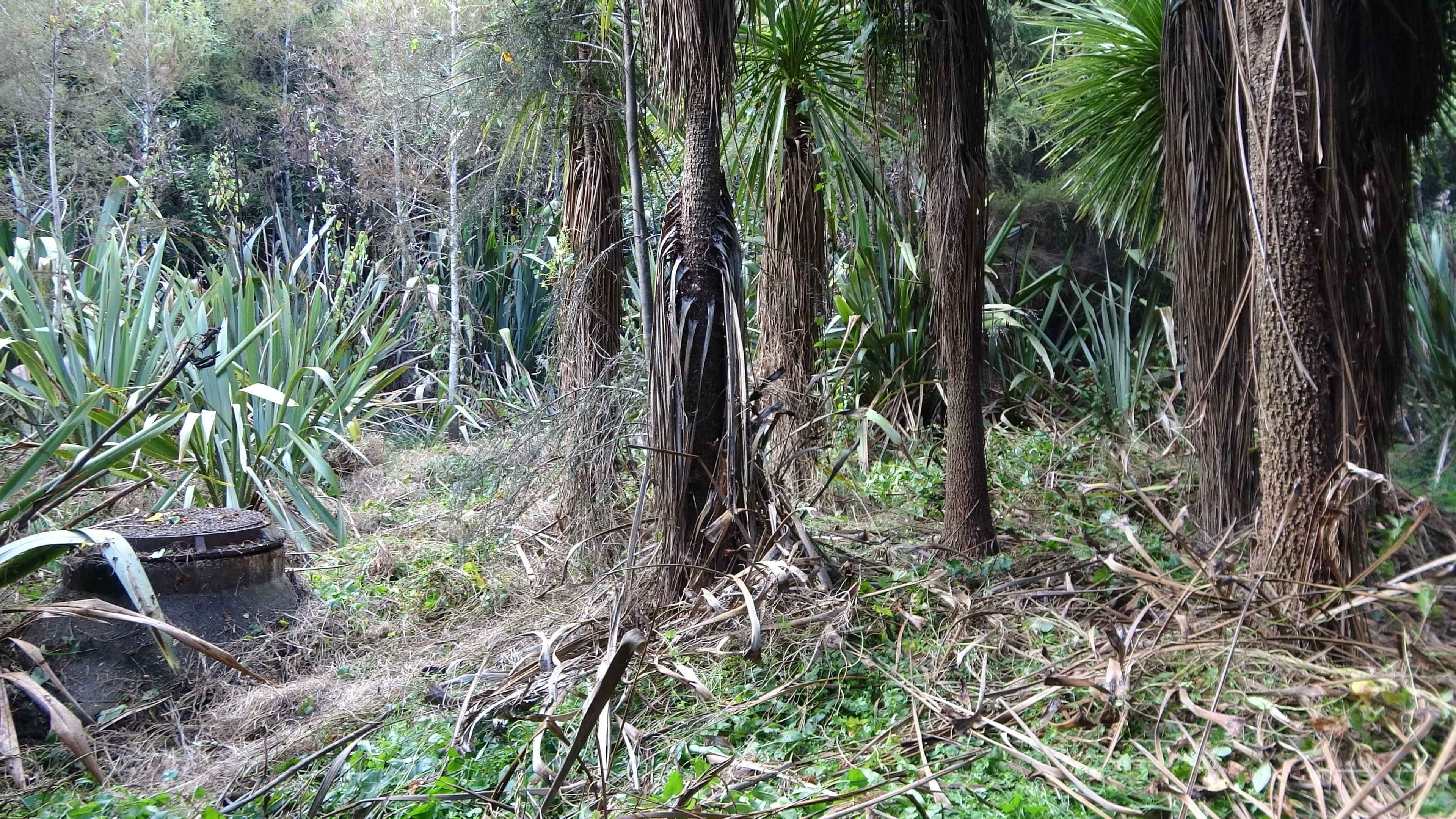
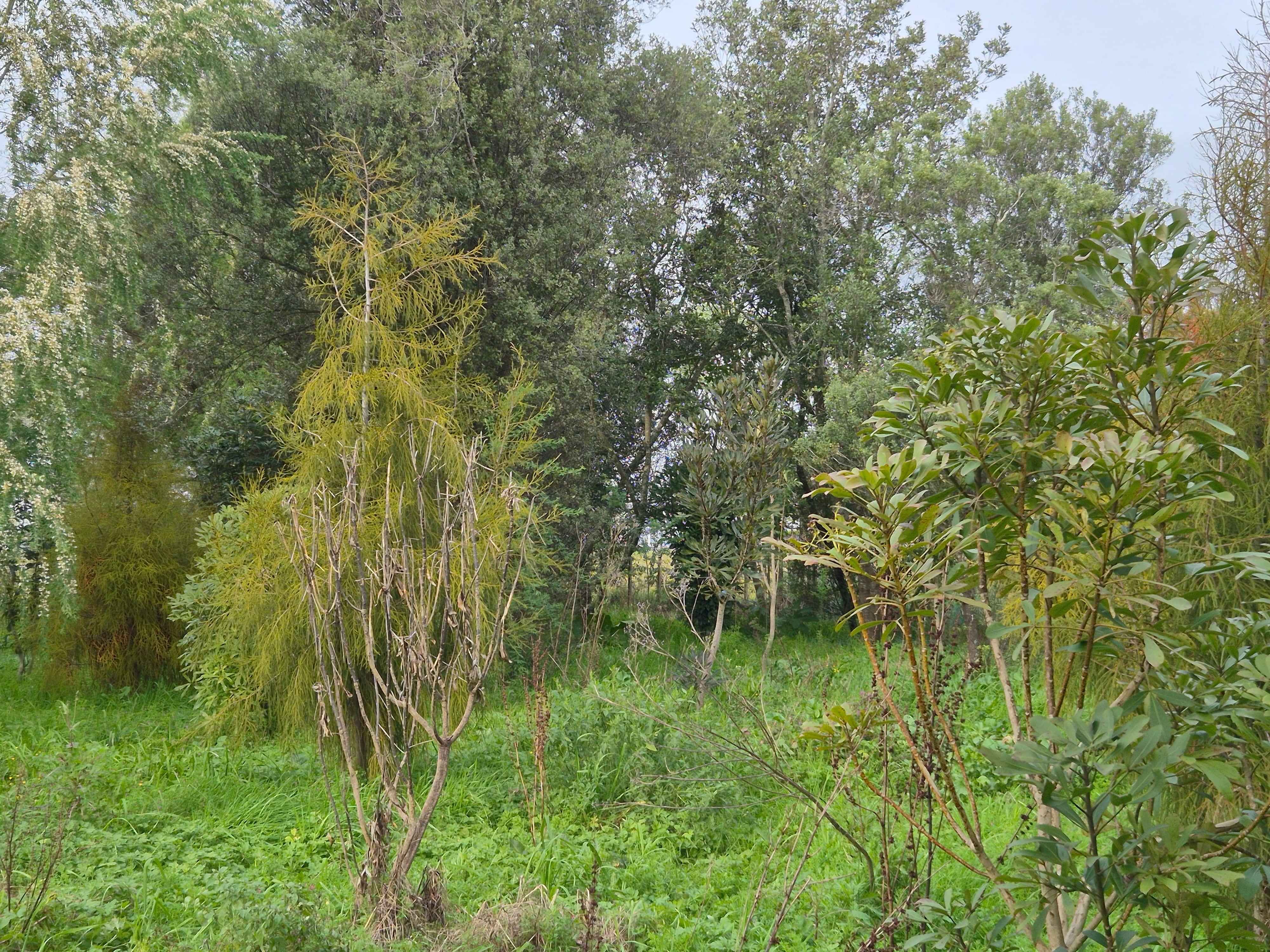
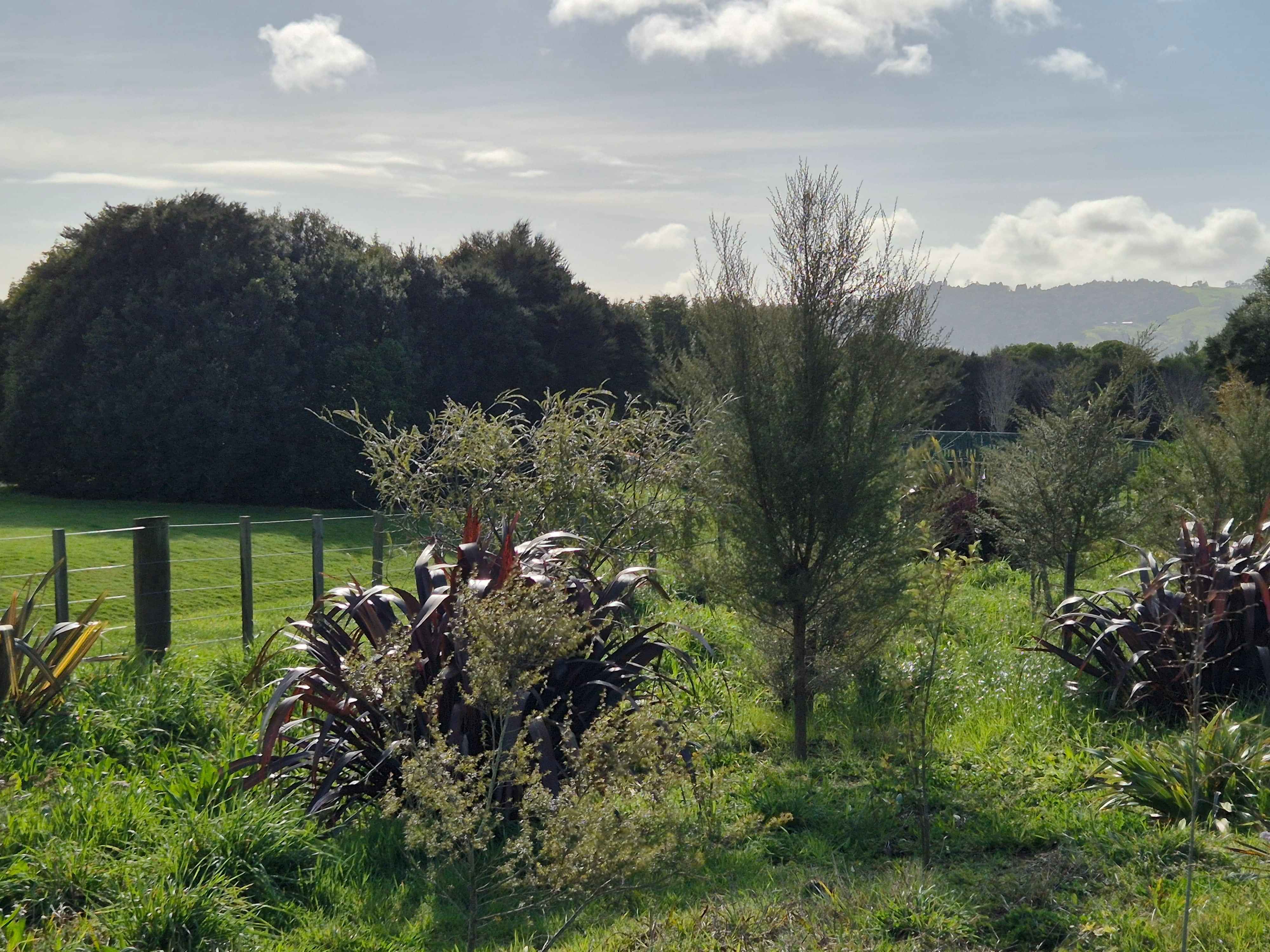
Therefore, when we see around us the many beautiful trees that make up the Cambridge NZ green infrastructure, especially as the seasons change, we can acknowledge their usefulness but let us not forget that they are indeed utterly beautiful and just plain wonderful.